
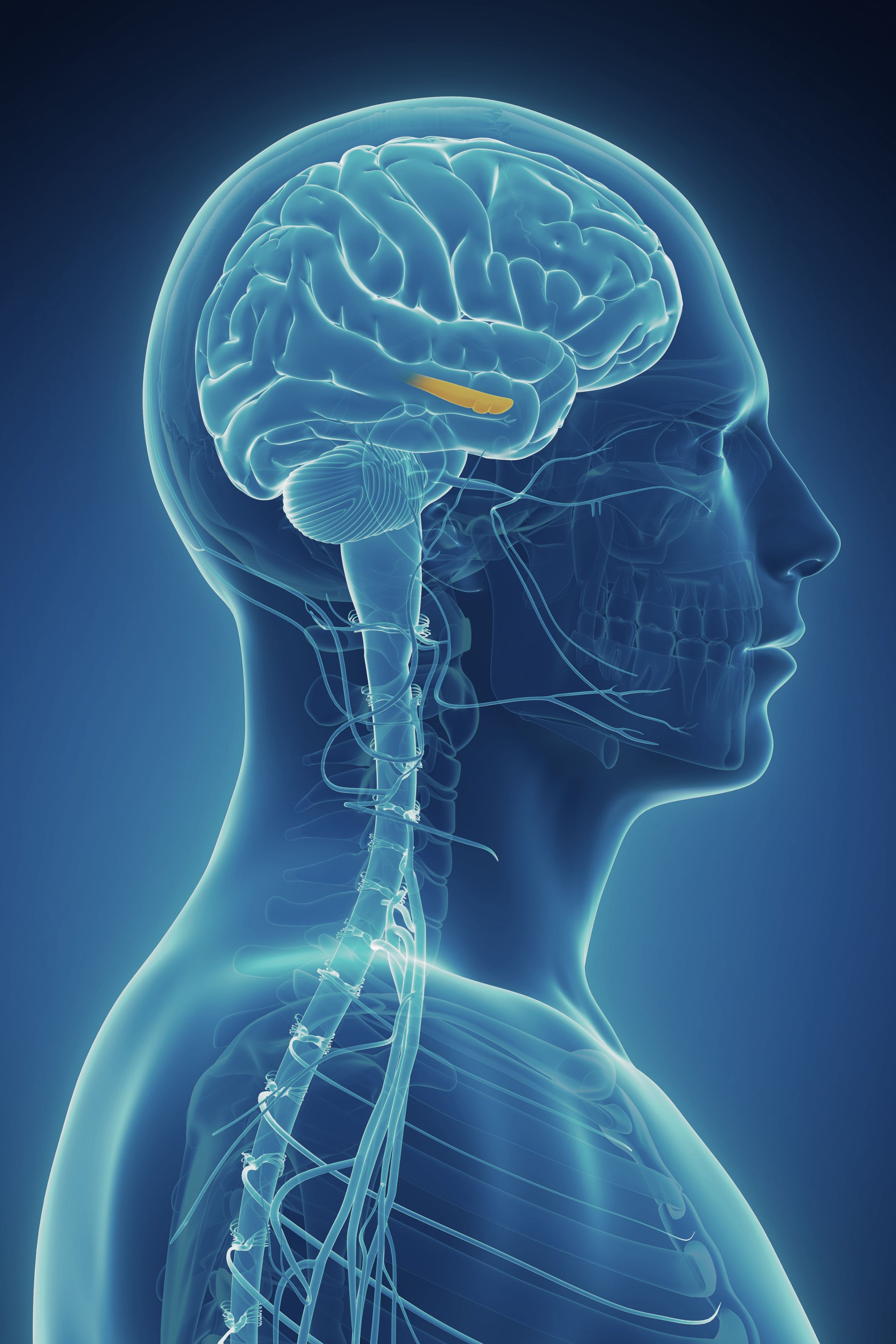
One of the keys to healthy ageing is a strong hippocampus – the part of your brain responsible for memory and learning. Here’s why exercise matters.
A recent US study suggests many adults over 65 can maintain and, in some cases, improve both physical and cognitive function with age.
Cognitive and physical ability in 11,000 older adults was researched and the results showed that 45% dialled-up their scores on a global cognitive test along with their walking speed (often used as an indicator of overall health) with age. Basically they are ‘ageing more slowly’.
THE KEY IS TO BE A POSITIVE SEAHORSE
One essential factor in older people ‘staying young’ is keeping a healthy active hippocampus – two small parts of the brain shaped vaguely like a seahorse, hence the name.
Part of the body’s limbic system, the hippocampus plays important roles in the consolidation of information from short-term memory to long-term memory, and in spatial memory that enables navigation.
The US study also showed that older adults with a positive and active attitude to ageing were more likely to improve their performance as opposed to those with a negative attitude. In fact, those with a negative attitude were seen to exhibit three times more shrinkage of the hippocampus with age than their more sanguine companions – thus losing important cognitive functions.
TRAIN YOUR SEAHORSE WITH REGULAR PHYSICAL EXERCISE
The hippocampus is one of the few areas of the brain capable of producing new nerve cells throughout life, yet it is also particularly vulnerable to ageing, chronic stress and diseases such as Alzheimer’s. Fortunately, research shows that lifestyle choices can help keep the hippocampus healthy and may slow or reduce age-related shrinkage. Experts agree that regular physical exercise is one of the most effective ways to protect the hippocampus.
BRAIN FOOD MATTERS TOO
Aerobic activities such as brisk walking, swimming, cycling or dancing increase blood flow to the brain and stimulate the production of brain-derived neurotrophic factor (BDNF), a protein that supports the growth and survival of neurons. Studies suggest that at least 150 minutes of moderate exercise each week can improve memory and even increase hippocampal volume in older adults.
As any Bodywise Trainer will tell you nutritious eating always plays an important role. A Mediterranean-style diet, rich in vegetables, fruits, whole grains, legumes, nuts, olive oil and oily fish, provides antioxidants and healthy fats that reduce inflammation and protect brain cells. Omega-3 fatty acids, particularly DHA found in salmon, sardines and mackerel, are essential for maintaining healthy nerve membranes. Limiting highly processed foods, excess sugar and trans fats may also help preserve brain function.
EXERCISE PROMOTES GOOD SLEEP
Good-quality sleep is another essential factor. Anybody who regularly does a Bodywise SGPT class will tell you how a 45-minute free weights session aids slumber. During deep sleep, the hippocampus helps consolidate memories by transferring information to other parts of the brain for long-term storage – basically a shift from short-term memory to long-term memory. Most adults of any age, young and old, should aim for seven to nine hours of sleep each night and maintain a regular sleep schedule.
THE BODYWISE BRAIN GYM
Keeping the mind active can strengthen connections within the hippocampus. For many older Bodywise members starting to train for the first time involves the brain as much as the muscles and cardiovascular system. Understanding which muscles to fire in which order in a lifting class, or learning a new routine in the studio, actively encourages neuroplasticity.
Classes at Bodywise also promote social interaction, which is equally important, as meaningful conversations and relationships stimulate cognitive function while reducing loneliness, a recognised risk factor for cognitive decline.
Working in a small group or getting involved in one of the studio classes means interacting with new people and making new connections. For example Erica’s Dance-in-Joy sessions end with most participants repairing to the local pub (for coffee, of course!).
DE-STRESS TO EXPRESS
Managing stress is also crucial because prolonged elevation of the stress hormone cortisol can damage hippocampal neurons and contribute to shrinkage over time. Structured exercise which allocates the mind and body regular ‘me time’ plays an important part here. In addition, techniques such as yoga can help reduce stress levels. All things considered Bodywise has an express route to de-stress.
KEEP THE BLOOD FLOWING TO THE BRAIN
Finally, maintaining cardiovascular health supports the hippocampus because a strong heart helps ensure good blood flow to the brain. Exercise also helps regulate blood pressure, cholesterol, blood sugar and body weight.
BODYWISE – HELPING YOU FIGHT THE GOOD FIGHT
OK ageing can’t be stopped. But by developing a positive mental and physical attitude to getting older you can take an active and even aggressive stance to fighting the vicissitudes of ‘Father Time’. And Bodywise is here to help you fight the good fight by adopting healthy habits that not only keep your cardio-vascular system and muscle mass and tone in good shape but help preserve hippocampal function, protect memory and lifelong brain health.
By Al Campbell, The Bodywise Member and Author